

Remote Jobs for Beginners and Students: The Ultimate 2026 Guide
The best remote jobs for beginners and students in 2026 focus on AI-assisted roles, virtual assistance, and data management.
Table of Content
| Section | Key Takeaway for Beginners & Students |
| 1. The 2026 Remote Landscape | Why companies are hiring “AI-Native” beginners right now. |
| 2. Top 7 Remote Jobs | Detailed breakdown of roles like AI Prompting & Virtual Assistant 2.0. |
| 3. The “AI-Plus” Skillset | The essential tools you need to master (beyond just a laptop). |
| 4. Building a Portfolio | How to prove your value when you have zero prior work history. |
| 5. The Application Process | Navigating “Blind Hiring” and optimizing your Digital Handshake. |
| 6. Scams & Red Flags | Expert tips to protect yourself from “Get Rich Quick” remote traps. |
| 7. Money & Planning | Reality check on 2026 pay scales and taxes for freelancers. |
| 8. CEO’s Note & Future | Final encouragement and the path forward for digital nomads. |
| 9. Frequently Asked Questions | Quick answers to the most common beginner remote work queries. |
I remember when I first started Aptub.com; the job market looked nothing like it does today. Back then, you needed years of experience just to get a “junior” role: now, the game has changed entirely. If you are looking for Remote Jobs for Beginners and Students, you are actually in the best position possible. The year 2026 has brought a massive shift in how companies hire; they don’t just want your degree anymore; they want to see if you can work with AI and stay organized in a digital space.
The 2026 Remote Landscape: Why Now?
The world has finally embraced “AI-first” workflows. For a student or someone just starting out, this is a goldmine. I see it every day on my platform: companies are desperate for people who are tech-savvy and ready to learn. You don’t need a ten-year resume to be a high-earning virtual assistant or a prompt engineer; you just need a laptop and a bit of “hustle.”
The barriers to entry have crumbled. In the past, geographic location was a huge hurdle: if you weren’t in a tech hub, you were out of luck. But today, a student in a small town has the same access to a New York startup as someone living in Manhattan. This democratization of work is what drives me to keep building Aptub. We are seeing a 40% increase in entry-level work from home listings compared to last year alone.
Top 7 Remote Jobs for Beginners and Students
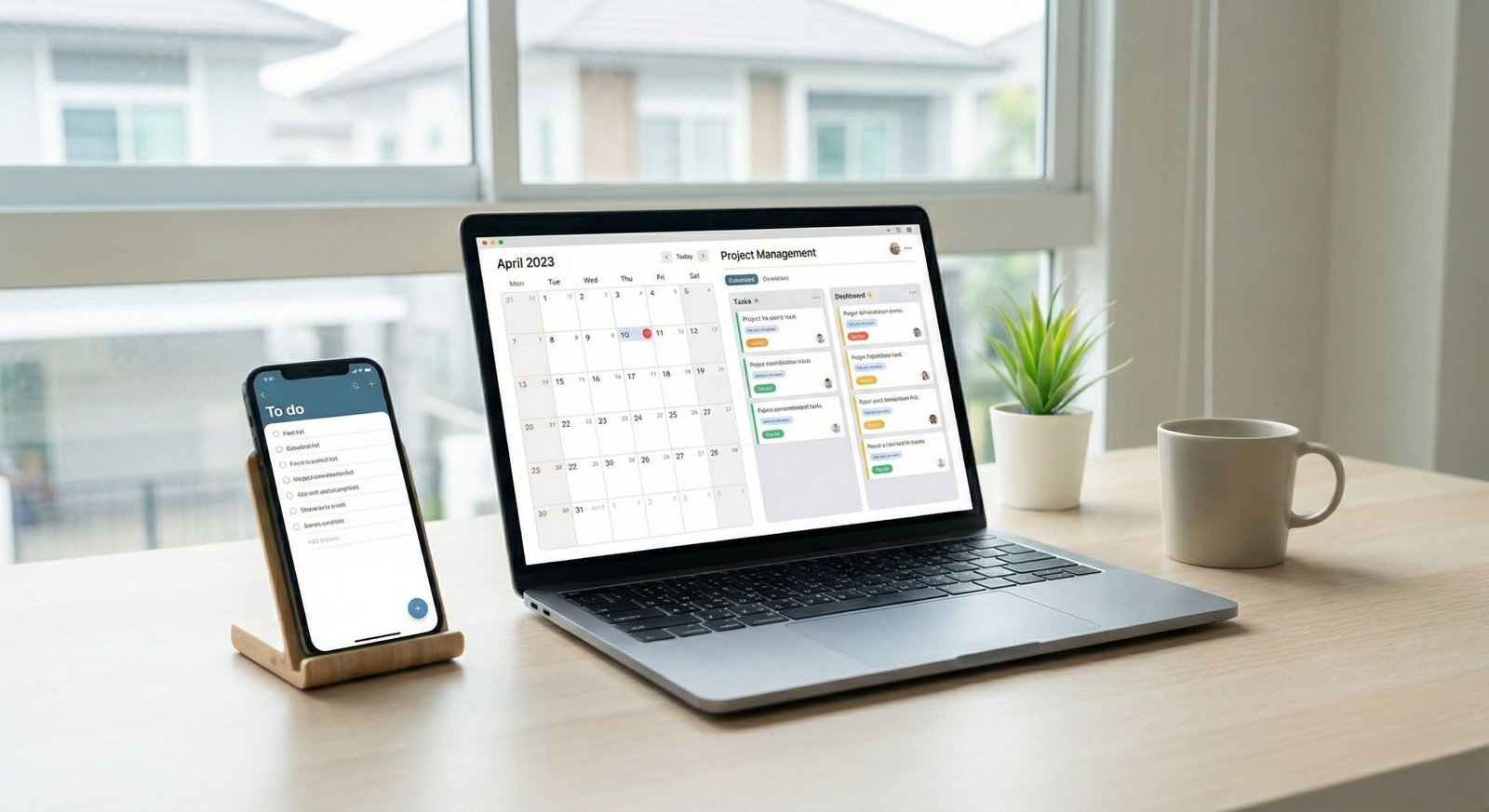
Let’s talk about what is actually hiring right now. I have looked at the data; here are the top roles that are perfect for those with little to no experience.
1. AI Prompt Engineering Assistant
This didn’t even exist a few years ago! Now, it’s one of the best entry-level work from home options. Companies use AI for everything: but they need humans to refine the outputs. You basically spend your day “talking” to AI to get the best results for marketing or coding teams. It’s fun; it pays well; and it’s the future. You don’t need a computer science degree; you just need to be a good communicator.
2. Virtual Assistant (VA) 2.0
The VA role is the “Swiss Army knife” of remote work. I often tell my friends that if you can manage an inbox and a calendar, you can earn a full-time living. Many of our users at Aptub find these roles perfect because you can set your own hours; this makes them the ideal online jobs for college students who have to balance classes. In 2026, VAs also handle basic AI automation: like setting up Zapier workflows or managing LLM-driven customer chats.
3. Data Entry and AI Training
Don’t listen to people who say data entry is dead. It has just evolved. Today, you aren’t just typing numbers into a spreadsheet; you are “labeling” data to help train machine learning models. It’s simple work: it’s consistent; and it requires work from home jobs no experience. Tech giants are hiring thousands of people to verify if an AI’s answer is correct or “hallucinated.”
4. Content Moderation and Safety
With the explosion of user-generated content, platforms need human eyes to ensure safety. This is a great “foot in the door” role. You learn about platform policies and digital community standards. It’s often shift-based work: which is perfect for students who might want to work late at night after studying.
5. Remote Customer Success Associate
Forget the old-school call centers. Modern customer success is about helping users solve problems through chat, email, and video. If you have a bit of empathy and can type quickly, this is one of the best remote jobs for beginners 2026. You’ll learn how a business actually functions from the ground up.
6. Micro-Influencer Manager
Thousands of creators now run their own businesses. They need help managing brand deals: responding to comments; and scheduling posts. If you spend time on social media anyway, you might as well get paid for it. This is a top-tier choice for online jobs for college students who are already digital natives.
7. Digital Transcription and Subtitling
Video content is king in 2026. While AI does the first draft of captions, it still makes mistakes. Companies hire beginners to “clean up” the text for accuracy. It requires a sharp ear and good grammar: making it a solid choice for English or Linguistics majors.
Check out: Remote Technical Writer Jobs in U.S.: Join Integrated Finance and Accounting Solutions (IFAS)
The “AI-Plus” Skillset: What You Actually Need
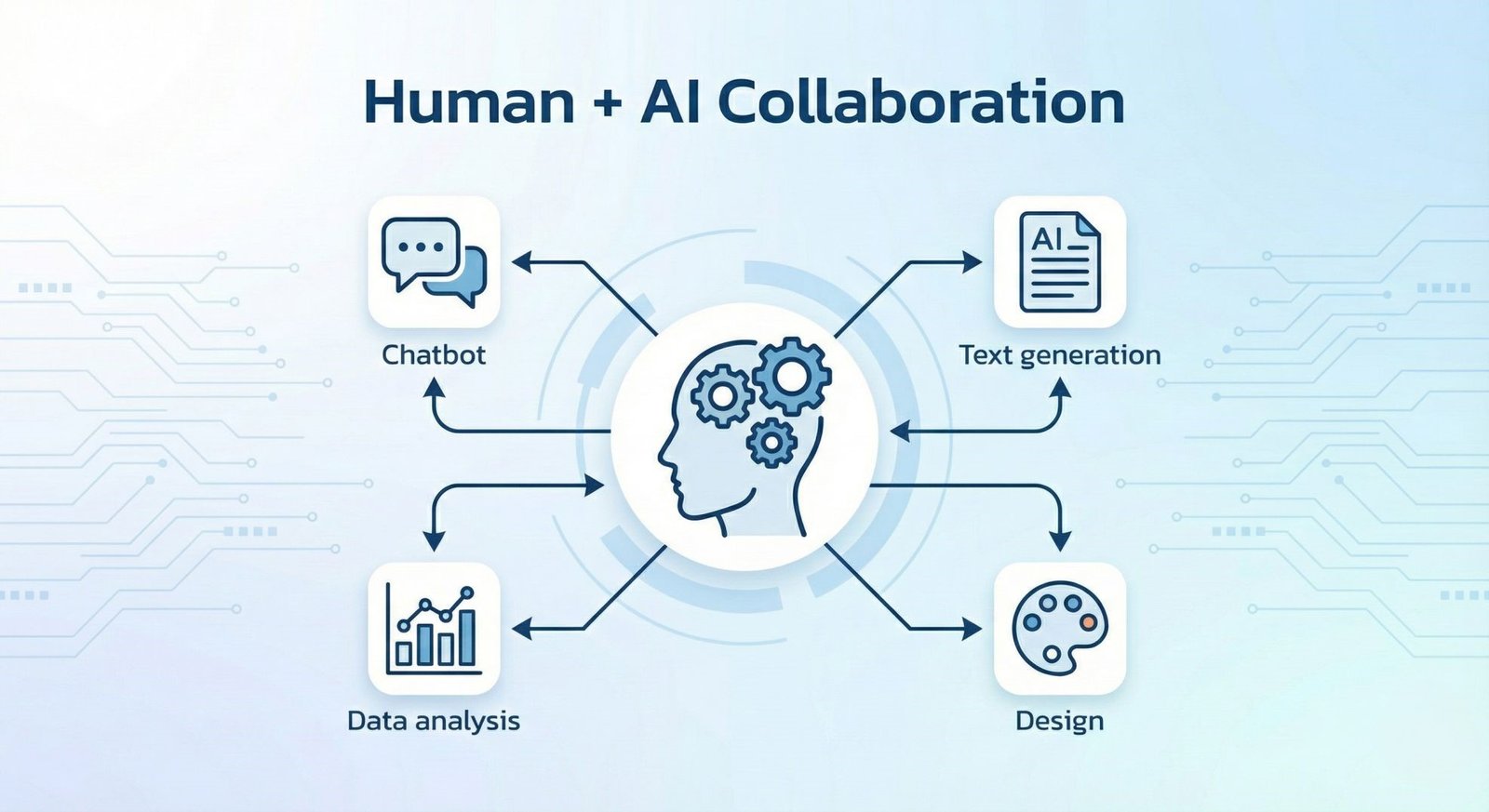
If you want to land the best remote jobs for beginners 2026, you have to know your tools. You can’t just say you are “good with computers.” I look for people who understand “AI-Plus”—meaning you have your human skills plus the ability to leverage technology.
You need to master:
-
Slack and Microsoft Teams: For asynchronous communication.
-
Notion and Trello: For project management and “second brain” organization.
-
ChatGPT, Claude, and Gemini: For AI-assisted productivity.
-
Canva: For basic design tasks that every remote role now seems to require.
I’ve seen candidates get rejected not because they lacked experience: but because they couldn’t figure out how to join a Zoom call or use a shared Google Doc. Don’t let the small things trip you up.
How to Build a Portfolio from Zero
I’ll be honest with you: the competition is real. Since you can work from anywhere, you are competing with people from all over the world. But don’t let that scare you. I have seen beginners beat out “experts” simply because they had a better attitude and a cleaner portfolio.
What if you have no work history? Create your own. If you want to be a VA: organize a mock project in Notion and share the link. If you want to be an AI Prompter: show a “before and after” of a complex prompt you developed. At Aptub, we always prioritize candidates who show “Proof of Work” over those who just have a fancy list of schools.
Navigating the 2026 Application Process
The way we apply for jobs has shifted. Most companies now use “blind hiring” tools to remove bias. This is great news for you! It means your skills matter more than your name or where you live.
When you apply for Remote Jobs for Beginners and Students, your “Digital Handshake” is your LinkedIn profile and your Aptub bio. Make sure your photo is professional: but friendly. Use your summary to tell a story. Don’t just say “I want a job;” say “I am a student specializing in AI communication looking to help a growing team stay organized.”
Red Flags: Avoiding Remote Work Scams
As a CEO, this is the part that keeps me up at night. There are a lot of bad actors out there. If a job offers you $100 an hour for “typing” and asks you to pay for your own equipment upfront via a check: run.
Legitimate work from home jobs no experience will never ask you for money to start. They will never ask for your bank password. If it sounds too good to be true: it probably is. Always check the company’s “About” page and see if they have a real presence on LinkedIn or Aptub.
Financial Planning for Remote Newbies
Landing the job is only half the battle; managing the money is the other half. When you work remotely: especially as a freelancer or contractor: you are responsible for your own taxes and equipment.
I suggest setting aside 20% of every paycheck into a separate “tax” account. Also, invest in a good chair. Your back will thank me in five years! Being a “student freelancer” is a great way to build a nest egg: but only if you don’t spend it all on coffee and games as soon as it hits your account.
The Future of Work: A Note from the CEO
I founded Aptub.com because I believed that the future of work was decentralised. Seeing thousands of students find their first “real” job through our platform is why I do this. The “office” is no longer a building; it’s a mindset.
Whether you are looking for entry-level work from home to start your career or online jobs for college students to pay for tuition, the opportunities are there. Just remember to stay curious: keep learning new AI tools; and don’t be afraid to apply for roles that feel a little bit “out of your league.”
You have the advantage of being a “digital native” in an era that values digital skills above all else. Use that. Don’t wait for the perfect moment: because it doesn’t exist. The best time to start was yesterday; the second best time is right now.
Conclusion
The landscape for Remote Jobs for Beginners and Students has never been more promising than it is in 2026. From AI prompting to virtual assistance: the path to a flexible career is wide open. We will continue to update Aptub with the latest listings to ensure you have the best start possible. Keep pushing: keep learning: and I’ll see you at the top!
FAQ
Q: Do I need a degree to get a remote job in 2026? A: Not necessarily. While some corporate roles still require degrees: many entry-level work from home positions prioritize skills and “Proof of Work” portfolios over formal education.
Q: How many hours a week can a student realistically work? A: Most students find that 10–20 hours per week is the “sweet spot.” Many online jobs for college students offer flexible or asynchronous hours to accommodate your class schedule.
Q: What equipment do I need to start? A: At a minimum: you need a reliable laptop and a stable high-speed internet connection. Some roles might require a headset for calls: but most beginner roles can be done with basic tech.
Q: Are remote jobs for beginners stable? A: It depends on the contract. Freelance gigs offer less stability but more flexibility: while “Employee” status roles offer more security but less control over your time.